


Radiation protection depends on accurate, reliable data. Whether in a nuclear power plant, medical facility, research lab, or environmental monitoring program, radiation detection instruments are only as effective as their calibration. At RSCS, we have provided a radiation detection instrument calibration guide that explains why calibration is critical, outlines the process, and provides insights into choosing the right service provider to ensure compliance and safety.
Why Calibration is Critical for Radiation Safety
Radiation detection instruments—such as survey meters, dosimeters, and area monitors—serve as the first line of defense in protecting workers and the public. Over time, these devices can drift from their true readings due to environmental conditions, electronic aging, or regular use.
Without proper calibration:
- Exposure risks increase because inaccurate readings may underestimate radiation levels.
- Regulatory violations can occur if instruments fail to meet required performance standards.
- Operational safety is compromised, undermining trust in safety programs.
Regular calibration ensures that radiation detection instruments deliver accurate measurements, maintaining both compliance and confidence in safety protocols.
Steps for Calibrating Radiation Detection Instruments
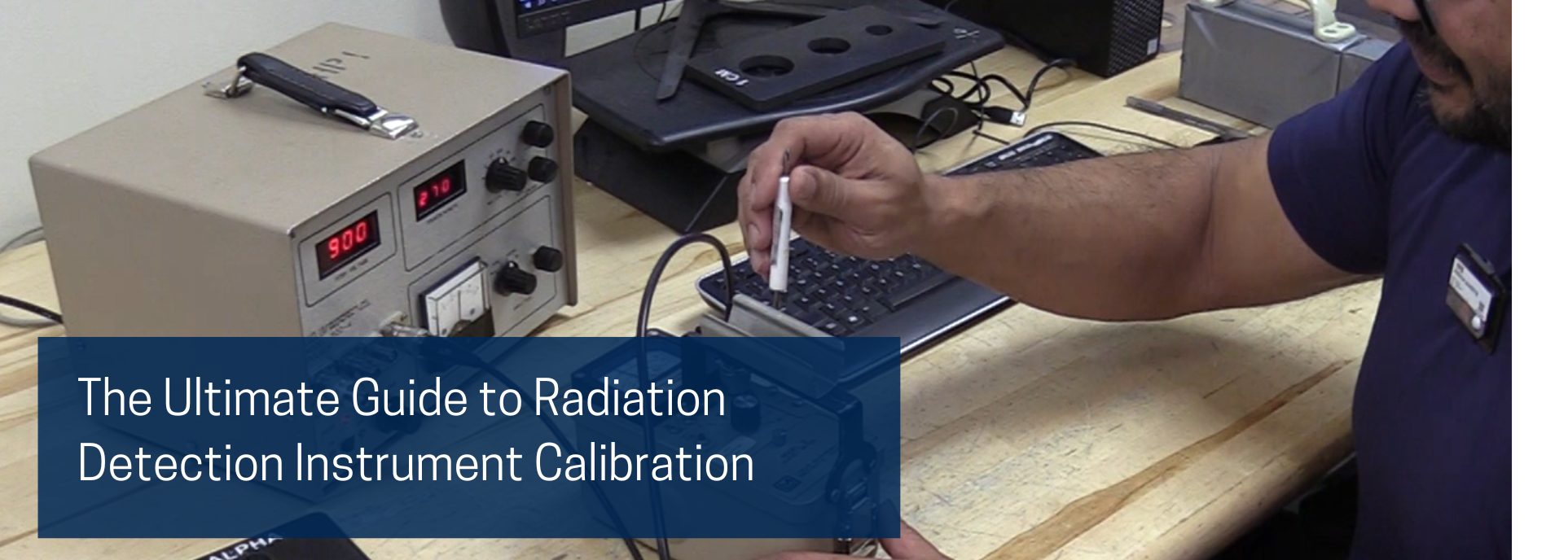
While calibration procedures vary by instrument type, most follow a structured process:
- Pre-Calibration Inspection
Instruments are checked for damage, battery condition, and functionality. - Reference Source Comparison
Instruments are exposed to a known, traceable radiation standard (often from NIST or equivalent). - Adjustment and Verification
The device’s response is compared against the standard. Any deviation is corrected, and the instrument is re-tested. - Performance Documentation
A calibration certificate is issued, detailing the process, results, and compliance with relevant radiation protection calibration standards.
Understanding Calibration Frequency and Standards
The frequency of monitoring instrument calibration depends on regulatory requirements, industry standards, and usage intensity. Common guidelines include:
- Annual calibration for most radiation survey instruments.
- More frequent calibration for high-use or mission-critical devices.
- After repair or exposure to abnormal conditions, instruments must be re-calibrated.
Standards such as ANSI N323A, ISO/IEC 17025, and NRC/DOE regulations set the framework for acceptable calibration practices. Compliance with these standards is essential for both safety assurance and audit readiness.
Choosing the Right Calibration Service: Factors to Consider
Not all calibration services are equal. When selecting a provider, consider:
- Accreditation – ISO/IEC 17025 accreditation demonstrates adherence to internationally recognized quality standards.
- Experience with radiation instruments – Providers with nuclear, medical, and industrial expertise understand diverse calibration needs.
- Turnaround time – Downtime can disrupt safety programs. Fast, reliable service is key.
- Documentation and traceability – Ensure certificates reference national or international standards.
- Calibration service comparison – Evaluate providers based on technical capability, cost, compliance support, and customer service.
Maintaining Compliance with Radiation Detection Calibration Standards
Calibration isn’t just about meeting technical requirements—it’s also about regulatory compliance. Agencies such as the NRC, DOE, OSHA, and state regulators require calibrated instruments to validate radiation monitoring programs. Maintaining calibration records and certificates is essential for:
- Regulatory audits
- Safety inspections
- Quality assurance programs
Partnering with RSCS, an accredited calibration lab, ensures your program aligns with both safety and compliance obligations.
Radiation protection relies on precision. By understanding the importance of calibration, following proper schedules, and selecting the right service provider, organizations can safeguard workers, maintain regulatory compliance, and reinforce a strong safety culture.
When evaluating your next calibration cycle, contact RSCS for more information or questions below.